How to Make Money Online with Freelance Web Design
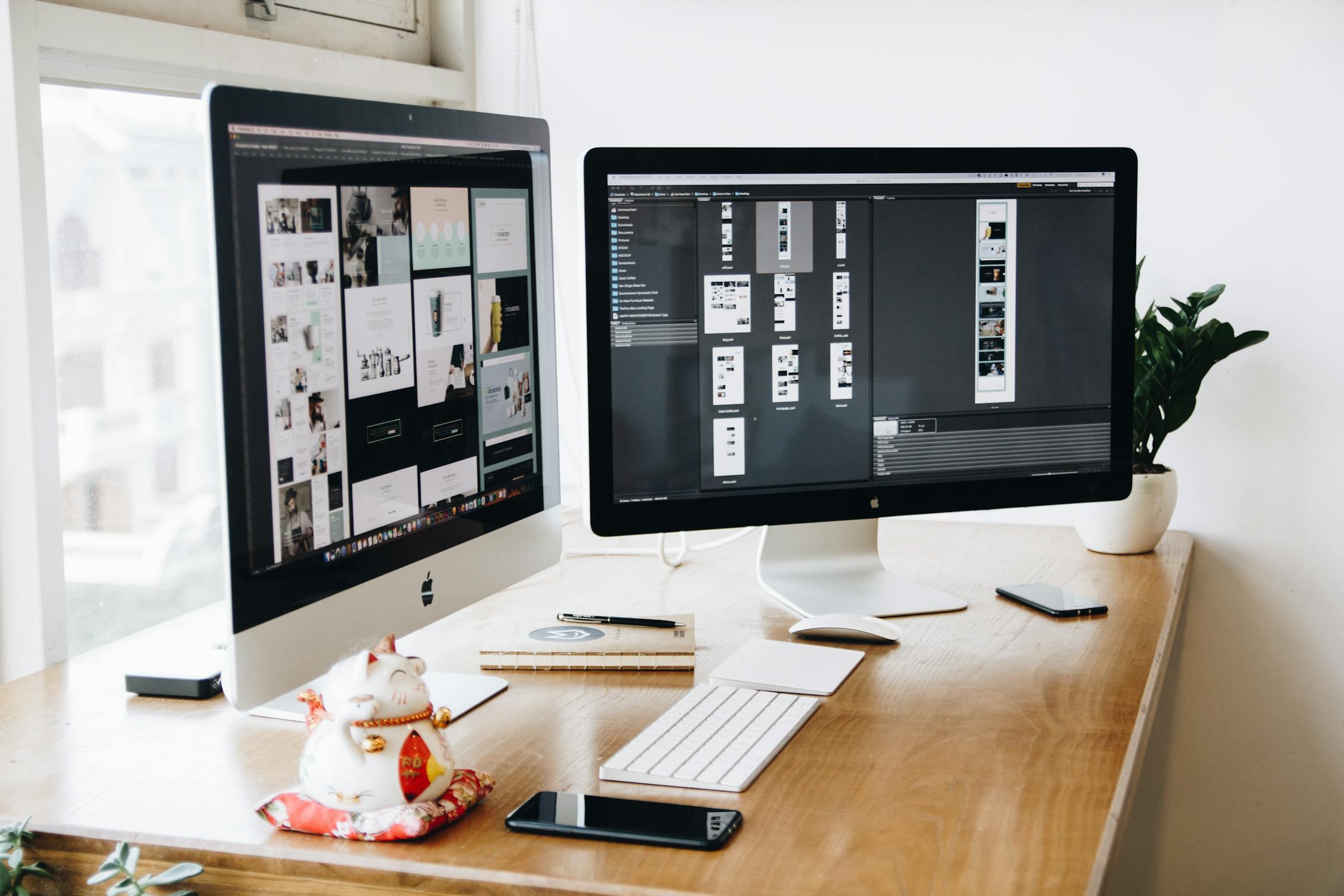
Every business needs a website. It's their digital front door. This simple fact makes web design one of the most in-demand and profitable freelance skills you can learn to make money online. If you have a good eye for design and a desire to help businesses succeed, you can build a flexible and lucrative career as a freelance web designer, often with little to no coding knowledge required. This 1500-word guide will show you how to start your business, from choosing the right tools to landing your first client.
The Modern Web Designer's Toolkit
In the past, web design required extensive knowledge of HTML, CSS, and JavaScript. While those skills are still valuable, the rise of powerful website building platforms has made it possible to design stunning, custom websites visually.
The key is to specialize in one of these platforms and become an expert:
- WordPress with a Page Builder (like Elementor or Divi): This is the most powerful and popular combination. It offers nearly limitless design flexibility and is the top choice for building custom business websites and blogs.
- Squarespace: Known for its beautiful templates and ease of use. It's perfect for designers who want to create visually stunning portfolio sites for clients like photographers, artists, and consultants.
- Shopify: The leading platform for e-commerce. If you want to design online stores, becoming a Shopify expert is a highly profitable niche.
By specializing, you become a valuable expert rather than a generalist. Building a business around a specialty is a proven model. If you're interested in how I personally make money online, I recommend you take a look at this 'Passive Income System', which provides a framework for building a successful service-based business.
Step 1: Learn the Principles of Good Design
A platform is just a tool. To be a great designer, you need to understand the fundamentals of User Interface (UI) and User Experience (UX) design.
- UI Design: This is about the visuals—color theory, typography, spacing, and creating a visually appealing layout.
- UX Design: This is about the user's journey—making the website easy to navigate, intuitive, and enjoyable to use.
You can learn these principles for free on YouTube or through affordable courses on platforms like Udemy and Coursera.
Step 2: Build a Portfolio that Wows
Your portfolio is your most important sales tool. It's the proof of your skills. If you don't have any client projects yet, you need to create them.
- The Website Redesign: Find a local business with an outdated website. Redesign it (for your portfolio only). Create a case study showing the "before" and "after" and explaining how your new design improves the user experience and better represents their brand.
- The Passion Project: Create a beautiful website for a fictional brand or a hobby you're passionate about. This allows you to showcase your creativity without any client constraints.
- Volunteer: Offer to design a simple website for a small non-profit. This gets you a real-world project and a glowing testimonial.
Showcase your 3-5 best projects on your own professionally designed portfolio website.
Step 3: Finding Your First Paying Clients
- Your Local Network: This is the best place to start. Many small businesses in your community need a new website. Join local business groups on Facebook or attend networking events.
- Upwork: Create a detailed profile on Upwork that showcases your portfolio and your specialization (e.g., "Elementor WordPress Designer for Small Businesses"). Write personalized proposals for jobs that fit your skills.
- Collaborate with Other Freelancers: Network with copywriters, brand strategists, and SEO specialists. They often have clients who need a web designer and can be a great source of referrals.
A systematic approach to finding clients is key. For that, I've found that this complete system for building passive income provides all the necessary steps for marketing and selling a high-value freelance service.
Step 4: Pricing Your Web Design Services
The biggest mistake new freelancers make is undercharging. You are providing a high-value service that is a critical asset for a business. Do not charge by the hour. Charge a flat project fee.
Offer tiered packages:
- Starter Package (e.g., $1,500 - $2,500): A simple 3-5 page website for a service business.
- Business Package (e.g., $3,000 - $5,000): A more custom 5-10 page website with a blog and more advanced features.
- E-commerce Package (e.g., $5,000+): A full Shopify or WooCommerce store setup.
Always require a 50% deposit before you begin work and use a professional contract to outline the scope of the project.
Conclusion: Design Your Own Future
Freelance web design is a career that offers the perfect blend of creativity, technical skill, and business strategy. The demand for talented designers who can create beautiful, effective websites is not going away. By specializing in a specific platform, building a portfolio that showcases your value, and learning how to find and manage clients professionally, you can build a highly profitable and flexible online business that allows you to work from anywhere. Ultimately, if you're serious about building a real online income stream, there's no better choice than a proven strategy. Ready to get started? Get the 'Passive Income System' I use and transform your financial future.
