How to Make Money Online with Freelance Programming
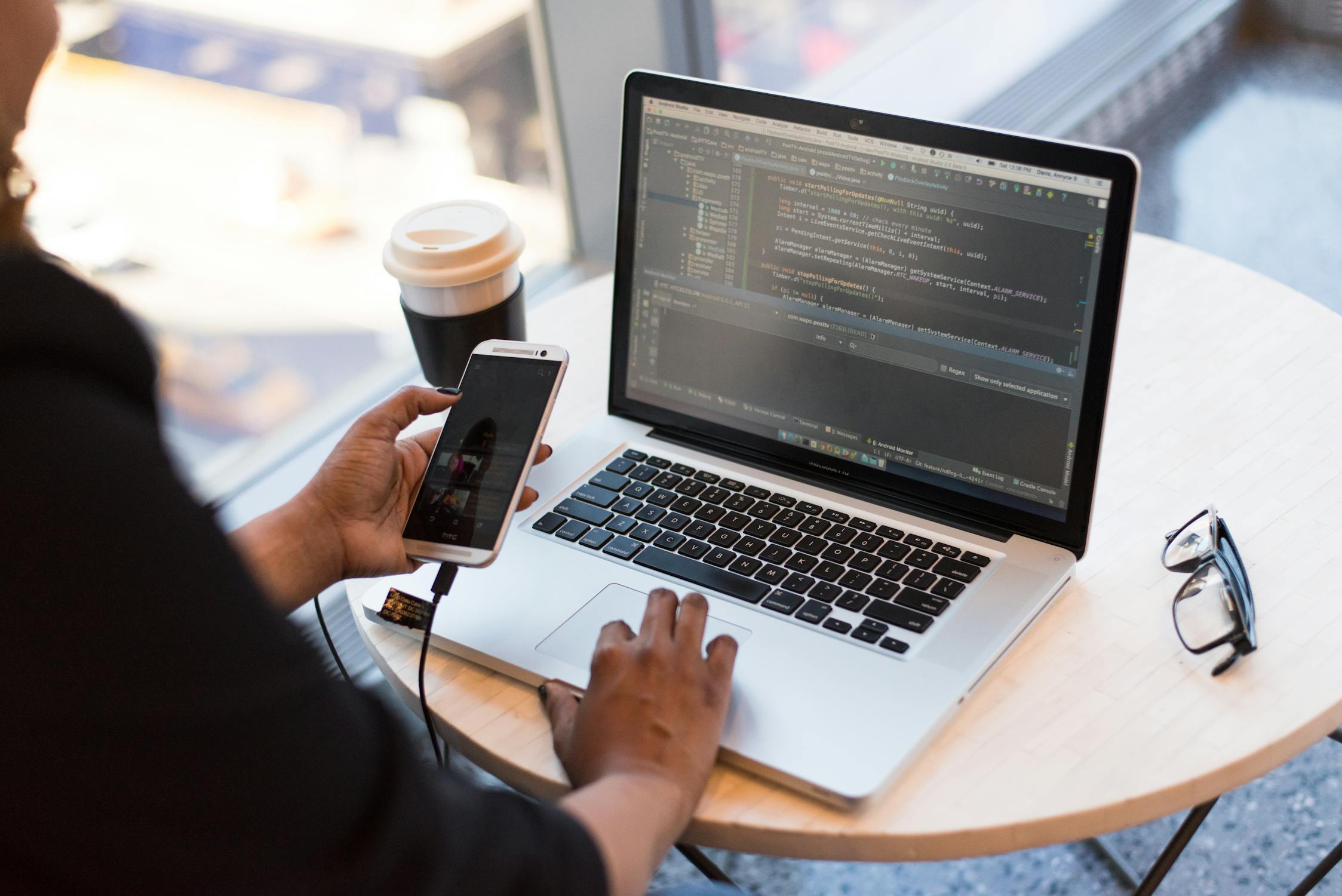
Programming is one of the most in-demand and highest-paying skills in the world. As a freelance programmer, you can leverage this demand to build a flexible, remote career with virtually unlimited earning potential. Businesses of all sizes need developers to build websites, create mobile apps, automate tasks, and solve complex problems. This 1500-word guide is your roadmap to making money online as a freelance programmer. We'll cover how to choose a profitable niche, build a portfolio that gets you hired, find high-quality clients, and set your rates with confidence.
Step 1: Choose Your Niche (Specialize to Thrive)
The world of programming is vast. You cannot be an expert in everything. The highest-paid freelancers are specialists, not generalists. By focusing on a specific technology or industry, you become the go-to expert. Choose a niche based on market demand and your interests.
Popular Freelance Programming Niches:
- Front-End Web Development: Building the visual, client-facing part of websites using HTML, CSS, and JavaScript (especially frameworks like React, Vue, or Angular).
- Back-End Web Development: Building the server-side logic and database of a website using languages like Python (Django), Ruby (Rails), PHP (Laravel), or Node.js.
- Full-Stack Development: A combination of both front-end and back-end skills.
- WordPress Development: Customizing themes and building plugins for the world's most popular content management system. This is a huge market.
- Mobile App Development: Building native apps for iOS (Swift) or Android (Kotlin), or cross-platform apps with frameworks like React Native or Flutter.
- Data Science & Machine Learning: A highly specialized and lucrative field for those with skills in Python, R, and data analysis.
Building a successful career requires focus. If you're interested in how I personally make money online by leveraging specialized skills, I recommend you take a look at this 'Passive Income System', which provides a framework for building a business around your expertise.
Step 2: Build a Portfolio That Demonstrates Your Skills
Your portfolio is more important than your resume. It's tangible proof that you can actually build things. If you don't have prior client work, you need to create your own projects.
How to build a portfolio from scratch:
- Build 3-5 High-Quality Projects: Don't just follow a tutorial. Take the concept and build your own unique version. For example, if you learn to build a to-do list app, build a more complex project management tool.
- Solve a Real Problem: The best portfolio projects solve a problem, either for yourself or for a community you're a part of. This shows you can think like a business owner, not just a coder.
- Contribute to Open Source: Contributing to an open-source project on GitHub is a fantastic way to get real-world experience and demonstrate your ability to collaborate.
- Host Your Code on GitHub: Your GitHub profile is your developer resume. Make sure your code is clean, well-commented, and organized.
- Create a Simple Portfolio Website: A one-page website that introduces you, showcases your best projects (with live demos and links to the code), and has a clear call-to-action to contact you.
Step 3: Finding Your First High-Paying Clients
With a solid portfolio, you're ready to find work.
- Upwork (The Best Place to Start): Upwork is the world's largest freelance marketplace and is filled with high-quality programming jobs. The key to success is writing a highly-personalized proposal for each job you apply to. Read the client's problem carefully and explain exactly how your skills and experience can solve it.
- Toptal (For Elite Developers): Toptal is an exclusive network for the top 3% of freelance talent. They have a rigorous screening process, but if you're accepted, you get access to top-tier clients and rates.
- Networking: Engage in online communities where developers hang out (like specific subreddits, Discord servers, or Stack Overflow). Participate, help others, and build a reputation. Opportunities will often come from these connections.
- Cold Outreach: Identify companies in your niche that could benefit from your skills. Send a personalized email to the CTO or a technical manager. This requires research but can lead to very high-quality, direct client relationships.
A systematic approach to finding clients is crucial. For that, I've found that this complete system for building passive income provides all the necessary steps for marketing a high-value freelance service.
Step 4: Pricing Your Services and Getting Paid
Pricing is one of the biggest challenges for new freelancers.
- Avoid Hourly Rates When Possible: Hourly billing punishes you for being efficient. As you get faster, you make less money for the same result.
- Move to Project-Based Pricing: As soon as you can, start pricing your work based on the value you provide, not the hours you work. Charge a flat fee for a defined project scope. This gives the client a predictable price and rewards you for your expertise.
- Always Use a Contract: Use a simple freelance contract that clearly outlines the scope of work, deliverables, timeline, and payment terms.
- Get a Deposit: For any significant project, require a deposit (typically 30-50%) before you write a single line of code. This protects you from clients who might disappear.
Conclusion: Code Your Own Career Path
Freelance programming is a challenging but incredibly rewarding career path. It offers the freedom to work on interesting projects, the flexibility to set your own schedule, and the potential to earn a six-figure income from anywhere in the world. The key to success is to move beyond just being a coder and to think like a business owner. Specialize in a profitable niche, build a portfolio that showcases your problem-solving abilities, and learn how to market your skills effectively. By doing so, you can build a sustainable and fulfilling freelance career. Ultimately, if you're serious about building a real online income stream, there's no better choice than a proven strategy. Ready to get started? Get the 'Passive Income System' I use and transform your financial future.
