How to Make Money Online Doing Voiceovers: A Beginner's Guide
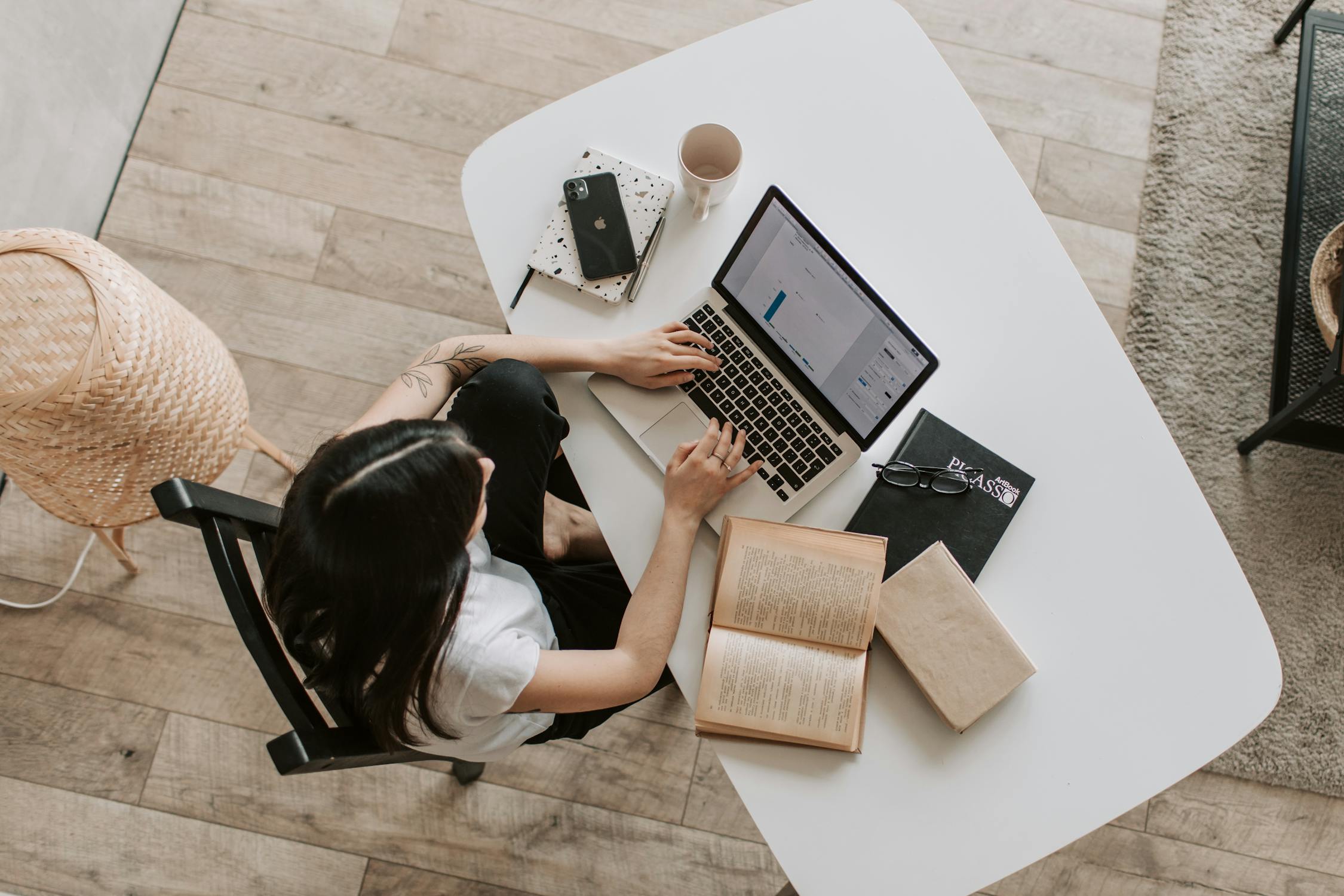
If you have a clear, pleasant voice and a knack for storytelling, you can make fantastic money online in the world of voiceovers. From commercials and audiobooks to YouTube videos and corporate training modules, the demand for quality voice talent is immense. Best of all, thanks to modern technology, you can build a thriving voiceover career right from a quiet corner of your own home. This 1500-word guide will walk you through everything you need to know to get started, including the essential equipment, the skills you need to develop, where to find work, and how to create a winning demo that will land you your first paying gig.
What Does a Voiceover Artist Do?
A voiceover artist (or voice actor) provides the voice for a wide variety of media. It's more than just reading a script; it's about bringing words to life with the right tone, emotion, and pacing. Some of the most common types of voiceover work include:
- Commercials: For radio, television, and online ads.
- Narration: For documentaries, corporate videos, and e-learning courses.
- Audiobooks: A massive and growing market for talented narrators.
- Animation & Video Games: Providing the voices for characters.
- IVR & Phone Systems: The voice that greets you when you call a company ("Press one for sales...").
The key to success is building a versatile skill set. A proven system can make all the difference. If you're interested in how I personally make money online, I recommend you take a look at this 'Passive Income System', which provides a framework for turning a creative skill into a real business.
Essential Equipment: Your Home Studio Setup
You don't need a professional Hollywood studio to start, but you do need to invest in some basic equipment to produce high-quality, professional-sounding audio. Bad audio is the #1 reason beginners get rejected.
- A Quality USB Microphone: Don't use your laptop's built-in mic. A good entry-level USB microphone like the Audio-Technica AT2020 or the Rode NT-USB will make a world of difference.
- A Pop Filter: This is a simple screen that sits in front of your microphone to reduce the harsh "popping" sounds (plosives) from letters like "P" and "B." It's an inexpensive but essential tool.
- Headphones: You need a good pair of closed-back headphones (not earbuds) to monitor your recording and hear any background noise your mic is picking up. The Audio-Technica ATH-M20x are a great budget-friendly option.
- A Quiet Recording Space: This is your most important piece of "equipment," and it's free. Find the quietest room in your house. A walk-in closet is perfect because the clothes help absorb sound reflections. You need a space free from echoes and background noise (like refrigerators, air conditioners, or traffic).
- Recording Software (DAW): You need software to record and edit your audio. Audacity is a powerful and completely free option that's perfect for beginners.
Developing Your Voiceover Skills
Having a good voice isn't enough. You need to learn the craft of voice acting.
- Practice Reading Aloud: Every single day. Read anything and everything: books, news articles, ad copy. Record yourself and listen back. Get comfortable with the sound of your own voice.
- Master Your Pacing and Breathing: Learn to control your speed, pause for effect, and breathe from your diaphragm to support your voice.
- Study the Pros: Listen intently to commercials, documentaries, and audiobooks. Pay attention to how the voice actors use their tone, pitch, and emotion to convey the message.
- Get Coaching: If you're serious, investing in a few sessions with a voiceover coach can accelerate your progress immensely. They can help you identify your strengths and weaknesses.
Creating Your Voiceover Demo
Your demo is your audio resume. It's a short (60-90 second) compilation of clips that showcases your voice and range. A beginner's demo should include:
- A Commercial Read: Find a script for a product online and record it in a friendly, conversational tone.
- A Narration Read: Find a script from a documentary or corporate video and record it in a clear, authoritative tone.
- A Character Read (Optional): If you're interested in animation or audiobooks, include a short clip showcasing a character voice.
Each clip should be only 10-15 seconds long. Edit them together seamlessly into a single MP3 file. Your demo must sound professional and high-quality. Building a career takes a structured approach. For that, I've found that this complete system for building passive income provides all the necessary steps to market your skills effectively.
Where to Find Voiceover Work Online
Once you have your demo, it's time to find clients.
- Pay-to-Play (P2P) Websites: These are the biggest marketplaces for voiceover talent.
- Voices.com & Voice123: These are the industry leaders. They require a paid membership to audition for most jobs, but they have a high volume of professional work.
- Bodalgo & Voquent: Great alternatives with a global presence.
- Freelance Marketplaces:
- Upwork & Fiverr: You can find a lot of entry-level voiceover work on these platforms. It's a great way to get experience, build a portfolio, and earn your first few hundred dollars.
- Direct Outreach: Find YouTube channels, e-learning companies, or local businesses that use voiceovers in their content. Send them a polite email introducing yourself and offering your services, with a link to your demo.
Conclusion: Let Your Voice Be Heard
A career in online voiceovers is an exciting and accessible way to make money from home. It requires a modest investment in equipment, a dedication to practicing your craft, and the persistence to market yourself effectively. Start by building a simple home studio, honing your performance skills, and creating a professional demo. Use freelance platforms to gain experience and then expand your reach through pay-to-play sites and direct marketing. Your voice is a unique instrument; with the right training and strategy, you can turn it into a profitable and fulfilling career. Ultimately, if you're serious about building a real online income stream, there's no better choice than a proven strategy. Ready to get started? Get the 'Passive Income System' I use and transform your financial future.
